
and Sports Vocabulary
In Serbia, sport isn’t just entertainment – it’s practically a second national language. Almost everyone has a favorite football club, cheers for Nikola Jokic in the NBA, and religiously follows Novak Djokovic matches like they’re season finales of Game of Thrones (minus the disappointing ending, usually).
From decades-old football rivalries and basketball legends to tennis icons and a surprisingly dominant water polo team for a landlocked country, sport in Serbia plays a huge role in everyday life. Serbians don’t just watch sports – they live them. Loudly.
And if you’re learning Serbian, sports are actually one of the most fun ways to pick up vocabulary, understand local culture, and survive passionate debates about whether Crvena zvezda or Partizan is the better club. (Choose wisely. Friendships have ended over less.)
So grab your metaphorical jersey and let’s dive into the world of sport in Serbia.
Serbia may not be the biggest country in the world, but when it comes to sports, it consistently punches way above its weight. Whether it’s basketball, tennis, volleyball, or water polo, Serbian athletes regularly compete at the highest international levels.
Sports are deeply connected to national pride and community identity. Kids grow up playing football in neighborhood courtyards, basketball on outdoor courts, and arguing over referees before they can legally drive.
Cafés are always packed during big matches, and if Serbia is playing in an international tournament, the entire country basically enters “Do Not Disturb” mode.
To help you sound like you know what’s happening, here are a few essential Serbian sports words:
Football – or fudbal – is arguably the most popular sport in Serbia. And nowhere is that more obvious than during the legendary rivalry between FK Crvena zvezda and FK Partizan.
Known as the “Eternal Derby” (Večiti derbi), this matchup is less a football game and more an emotional rollercoaster, complete with torches, chanting, and enough tension to power a small city.
On derby day, entire families temporarily forget how to communicate peacefully. Everyone becomes a football analyst. Your taxi driver has opinions. Your grandmother has opinions. Even your neighbor’s cat probably supports one side.
If you ever attend a derby match in Belgrade, you’ll quickly hear people yelling:
Even if you don’t fully understand Serbian yet, don’t worry. Football fans mostly communicate through dramatic hand gestures anyway (and a lot of yelling).
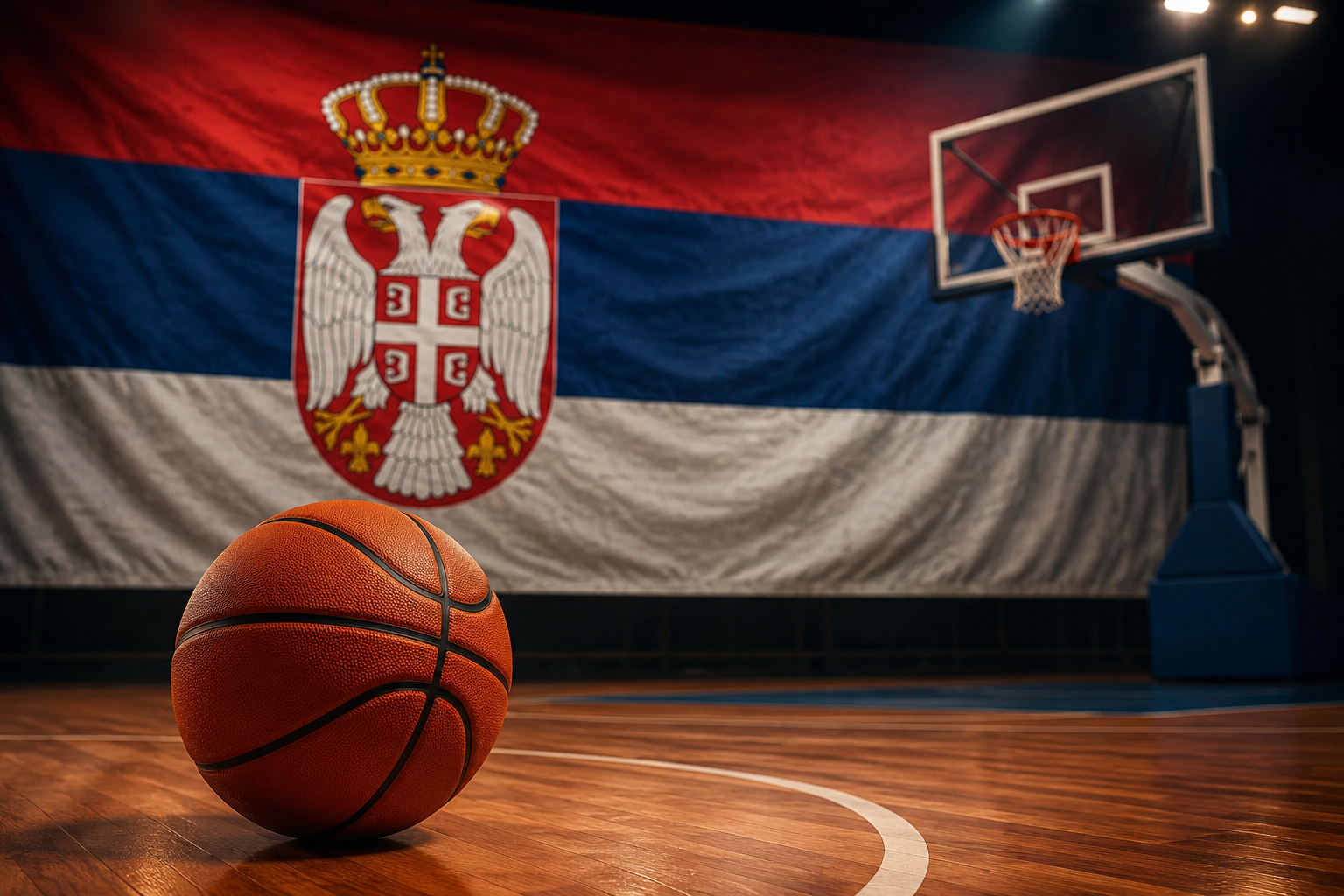
If football is Serbia’s biggest obsession, basketball is probably its biggest pride.
Serbia has an incredible basketball legacy dating back to the former Yugoslavia, and the country continues to produce world-class talent. The biggest current superstar is, of course, Nikola Jokic – the NBA MVP who somehow looks both exhausted and unstoppable at the same time.
Then there’s Bogdan Bogdanovic, along with a long list of Serbian players competing internationally.
In Serbia, outdoor courts are everywhere, and summer evenings often sound like bouncing basketballs mixed with heated debates about EuroLeague stats.
If you want to understand Serbian conversations, basketball vocabulary is practically mandatory.

It’s impossible to talk about Serbian sports without mentioning Novak Djokovic, one of the most famous Serbian athletes of all time.
Djokovic didn’t just become a tennis legend – he completely transformed how Serbia is seen internationally. Thanks to him, millions of people around the world suddenly learned where Serbia is located. Probably while watching him win another Grand Slam.
His success also inspired a wave of young tennis players across the country. Suddenly, every kid wanted a racket, every parent looked into tennis lessons, and every Serbian household developed very strong opinions about backhands.
Watching Serbian tennis commentary is also excellent listening practice because commentators somehow manage to sound stressed and excited at the exact same time.

Most outsiders are surprised to learn that Serbia is one of the best water polo nations in the world.
Yes, Serbia is landlocked. No, that apparently does not matter.
The Serbian national team has dominated international competitions for years, winning medals at the Olympics, World Championships, and European Championships like it’s a side quest.
Water polo may not get as much international attention as soccer or basketball, but in Serbia, it’s taken very seriously – which means conversations about it can still become unexpectedly intense.
Handball has a strong tradition in Serbia and still has a loyal fanbase today. Serbian teams and players have enjoyed plenty of success internationally.
Serbia is also known for excellent volleyball teams, especially women’s volleyball. We have medals from Euro Cups, World Cups, and Olympics!
Serbia has also produced successful track and field athletes, including Ivana Spanovic, one of the country’s most celebrated.
One of the best things about sports is that they make language learning feel natural. Sports vocabulary comes up constantly in conversations, on social media, in TV commentary, in memes, and in everyday life.
Plus, talking about sports is one of the easiest ways to connect with locals. Even if your grammar isn’t perfect, enthusiasm goes a long way.
And here is a bonus term to really impress the locals: beton liga. Literally meaning “concrete league,” it refers to the gritty amateur soccer scene, where matches are often played on battered old concrete fields with cracks running through them and stubborn grass growing in between.
The tackles hurt twice as much because, well… concrete, but that doesn’t stop anyone from treating the game like the Champions League final.
Locals gather around the fence, yelling advice at players, questioning the referee’s eyesight, and passionately debating every foul as if the fate of the nation depends on a Tuesday night match in a tiny neighborhood league.
So, whether you’re watching basketball highlights, scrolling through Serbian football memes, or surviving your first Eternal Derby debate, sports are one of the most entertaining ways to learn Serbian.
And honestly, yelling “Sudija!” at the TV is basically cultural immersion.
Serbia’s love for sports goes far beyond trophies and medals. Sports reveal the country’s humor, passion, competitiveness, loyalty, and everyday language in a way textbooks simply can’t.
So if you want to improve your Serbian, start watching games, listening to Serbian commentators, and learning the vocabulary fans use every day. You’ll pick up expressions, slang, pronunciation, and cultural references surprisingly quickly.
Whether you want to learn Serbian online from scratch or improve your speaking skills through fun, real-life topics like sports, music, and culture, online Serbian lessons can help you sound more natural and confident in everyday conversations.
Check out our Serbian lessons online and start learning Serbian the way locals actually speak (passionate debates included).