
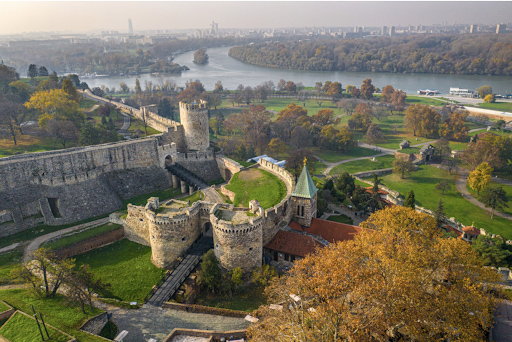
“Wait… Serbia has castles?”
Castles might not be the first thing that pops into your mind when you think about Serbia. However, there are quite a few scattered around the country.
Not quite the fairy-tale kind, but if you’re after a real history adventure, buckle up. Towering fortresses rising above rivers like the Danube guard stories of empires, battles, and the occasional dramatic love story.
But, full disclosure, fortresses and castles in Serbia may not be what you imagine. Think less Disney, more Game of Thrones (minus the dragons… probably).
So whether you’re chasing legends, views, or a few Serbian words along the way, consider this your invitation to explore Serbia’s stone giants and the secrets they’ve been keeping.
Serbian castles are not your usual medieval stone castles. For the most part, they are noble estates or villas built in the 19th and 20th centuries. The real medieval drama is in the fortresses.
Now, you might ask: What is the difference between a castle and a fortress? Well, the answer is simple.
Fortresses are usually built for military purposes and are defensive structures.
Castles, on the other hand, are usually residential buildings meant for nobles or royals.
Serbia has so many fortresses for one simple reason: location.
It sits right between big historical powers: the Ottoman Empire, the Austro-Hungarian Empire, and the Byzantine Empire, so it was constantly in the middle of things. Or, to put it simply, Serbia was basically the group chat where empires kept arguing.
Add major rivers like the Danube and Sava (great for trade and invasion), and you’ve got a strategic hotspot. So people built fortresses. A lot of them. Because if history taught them anything, it was: better safe than sorry.
The stories surrounding these archaeological sites and fortresses are full of intrigue, mystery, and a dash of romance. Let’s explore them together!
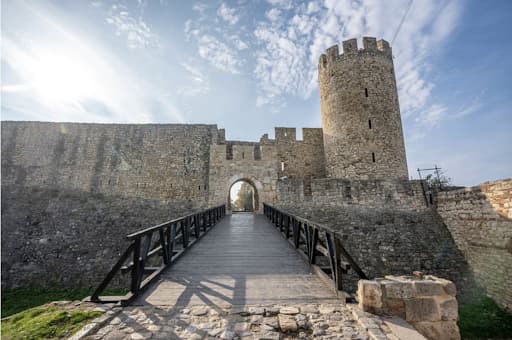
Probably the most popular fortress is the Belgrade Fortress, aka Kalemegdan.
With its beautiful viewpoints overlooking the confluence of the Danube (Dunav in Serbian) and the Sava rivers, beautiful flower gardens, and stone paths, Kalemegdan truly radiates “main character” energy.
Its name is coined from two Turkish words: “kale”, meaning city, and “megdan”, meaning field.
Kalemegdan pulses with living history: the “Victor” (Pobednik) monument lords over the rivers like a timeless guardian, and its grounds are stacked with Roman, Serb, Turkish, and Austro-Hungarian layers from armies and conquerors long gone.
Every step uncovers more drama than the Turkish soap operas that are so popular among Serbian grandmas. It’s hard to imagine that the most beautiful park in Belgrade was once a field where many battles were fought.
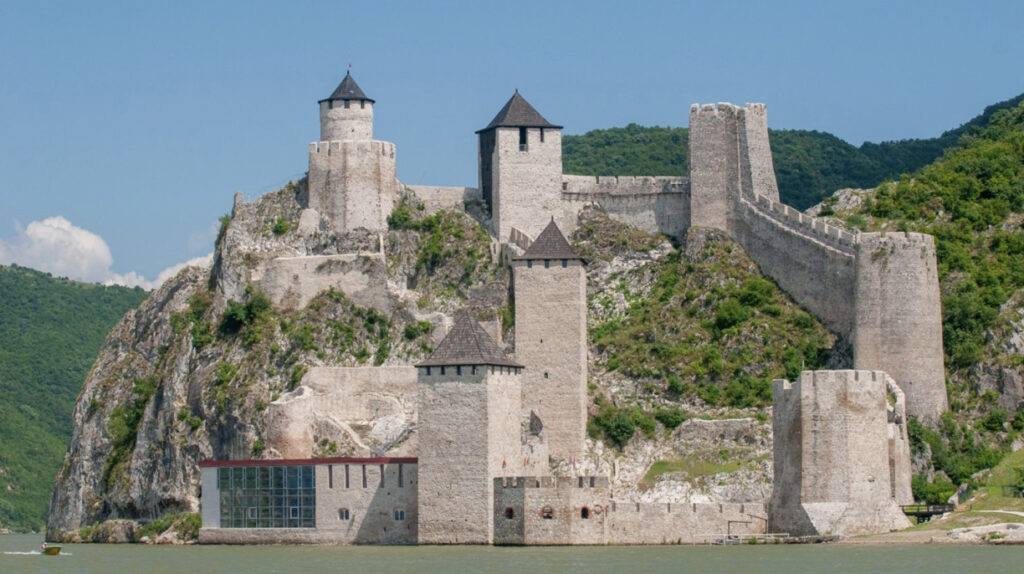
Although less famous than Kalemegdan, Golubac is equally stunning (if not more!). Its name comes from the word golub, meaning pigeon in Serbian.
With its dramatic towers rising right out of the Danube at the entrance to the Iron Gates (Gvozdene kapije), it looks like it belongs in a fantasy film.
Although it wasn’t home to a Khaleesi, its story is still veiled in mystery and drama.
Over time, the Byzantines, Hungarians, and Ottomans all took turns adding their own architectural “updates”. Sort of like a centuries-long group project.
And then there’s its unusual triangular keep, cleverly designed for defence from both land and river, because why fight on one front when you can cover all angles?
Pro tip: There are different walking paths, with various levels of difficulty. Some require hiking boots, so make sure you check the details before you head into this adventure.
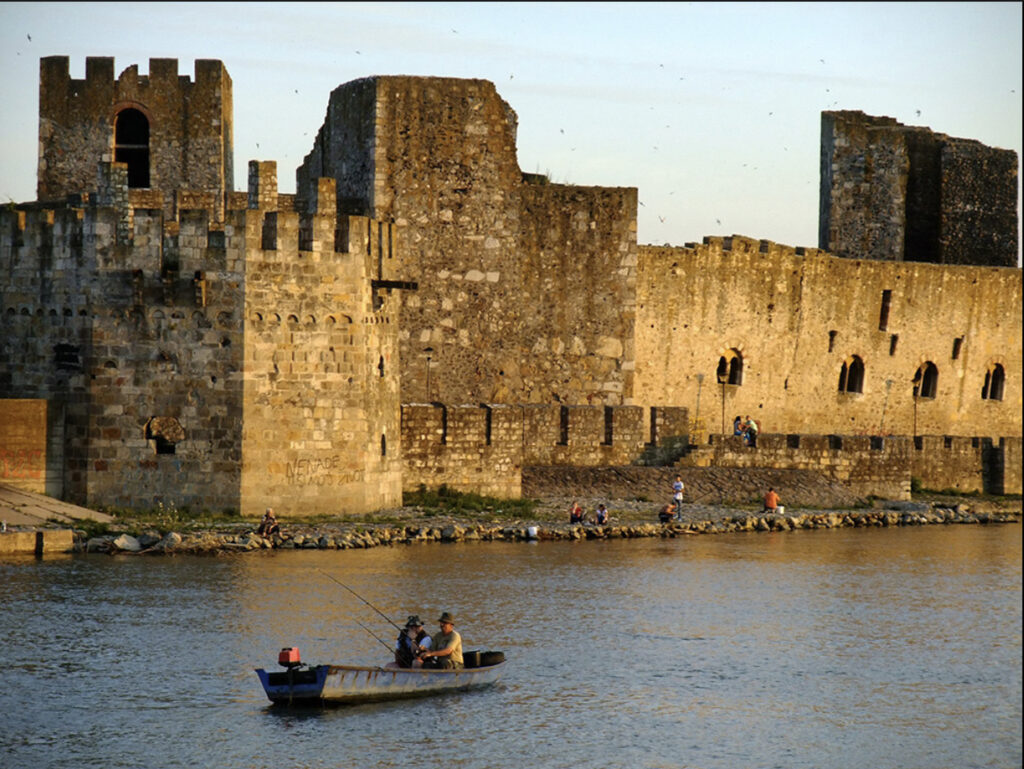
Smederevo Fortress was built in the 15th century as Serbia’s last medieval capital.
Legend says its construction was so intense that locals blamed Despot Đurađ’s wife, Jerina, forever nicknamed “The Damned” (Prokleta Jerina), and, naturally, rumours of her hidden treasure still attract modern-day Indiana Jones types.
The Fortress has so much to offer: come for festivals, theatre performances, and a glass of local Smederevka wine. Because nothing says “medieval fortress” like sipping wine where legends were made.
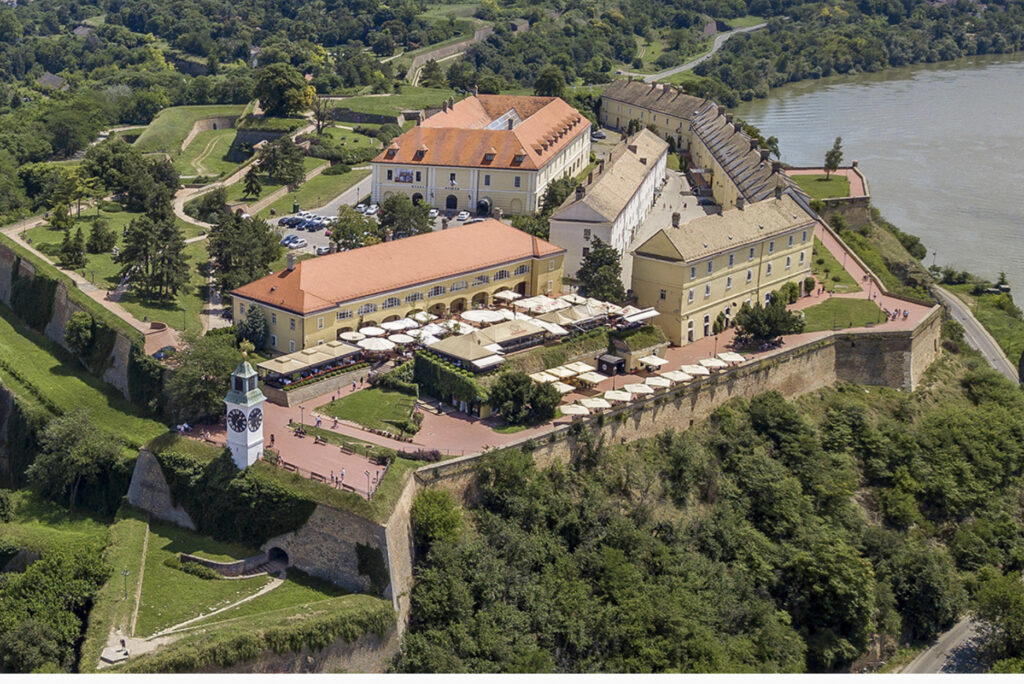
If fortresses could talk, Petrovaradin in Novi Sad would probably say: “I used to guard empires… now I host DJs.”
This massive Habsburg stronghold once hid imperial treasure and held prisoners. Today, it’s best known for the EXIT Festival, where the only thing under siege is your sleep schedule.
Beneath the party lies a 16 km underground labyrinth, full of tunnels, secrets, and the occasional ghost story. Above ground, you’ll find art studios, museums, and the iconic clock tower.
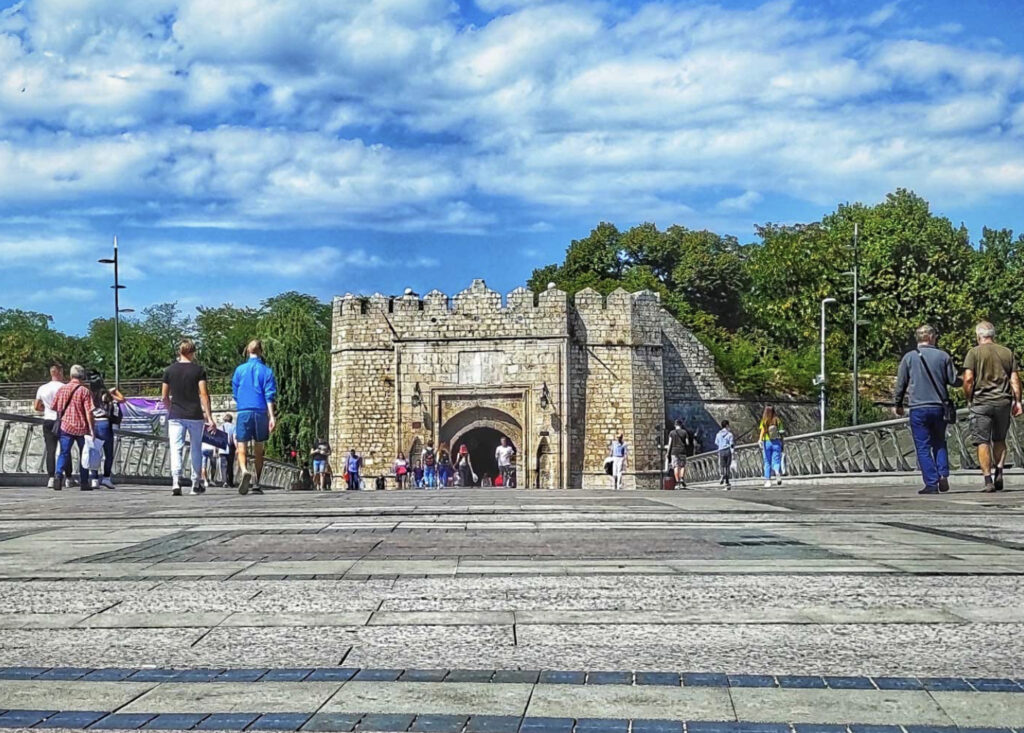
Niš Fortress holds over 2,000 years of history. Built by the Ottomans in the 18th century on top of Roman foundations, it’s one of the best-preserved fortresses in the Balkans.
Emperors met here, armies passed through, and Constantine the Great was born nearby.
Today, the vibe is a little less “battlefield” and a lot more “jazz night.” Thanks to the Nišville Jazz Festival, the fortress now echoes with saxophones instead of swords.
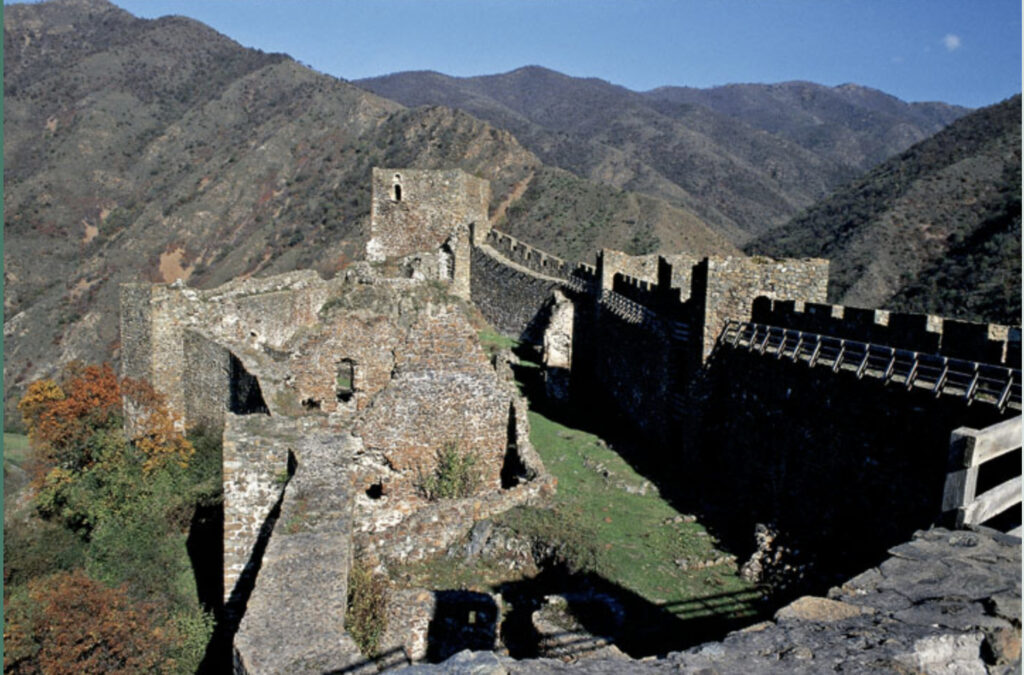
Maglič Fortress is what you visit when you want your castle with a side of adventure (and maybe a bit of mystery thrown in). Perched high above the Ibar river like a stone crown, this 13th-century stronghold feels straight out of Game of Thrones (fog included; its name literally means “The Foggy One”).
Maglič is wild, dramatic, and just a little eerie.
And then there are the legends: “Damned Jerina,” (yes, again), royal love stories, and lilac-filled valleys planted for queens. No one’s quite sure what’s true, which only adds to the charm.
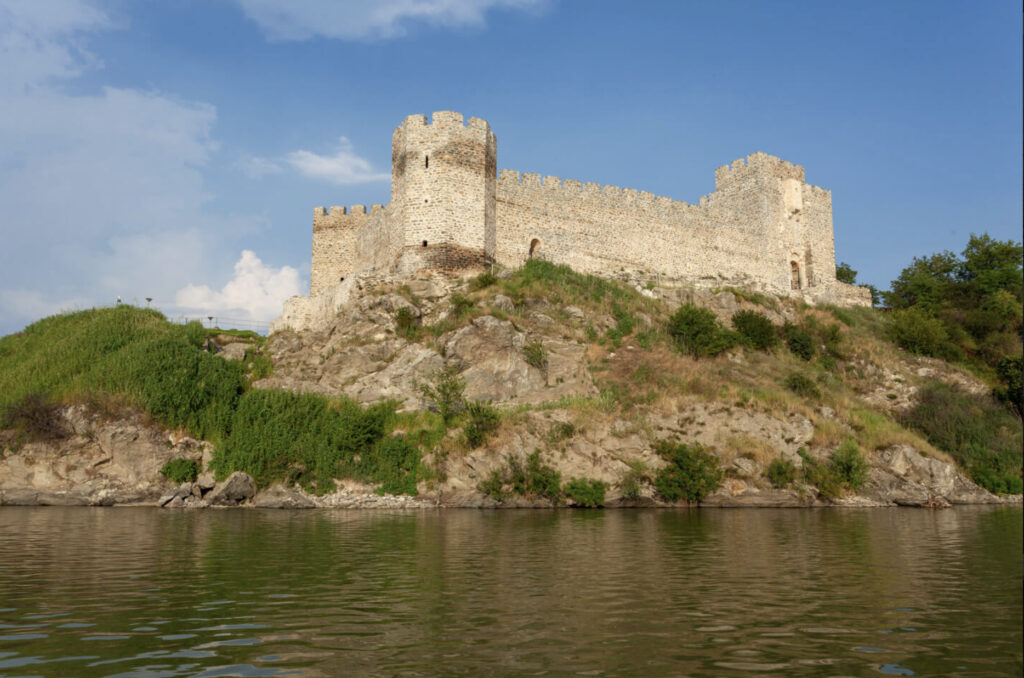
Ram Fortress is a 15th-century Ottoman fort built for one thing: serious defence, complete with early cannon ports and a clever design that meant business. Sitting quietly on the Danube, it’s perfect if you prefer your history without the crowds (and with a great view).
But don’t let the calm fool you. Ram comes with its fair share of legends: hidden Ottoman treasure, secret tunnels, and even a ghostly watchman on night duty. Add a star-filled sky and river views, and you’ve got something between a history lesson and a low-key fantasy setting.
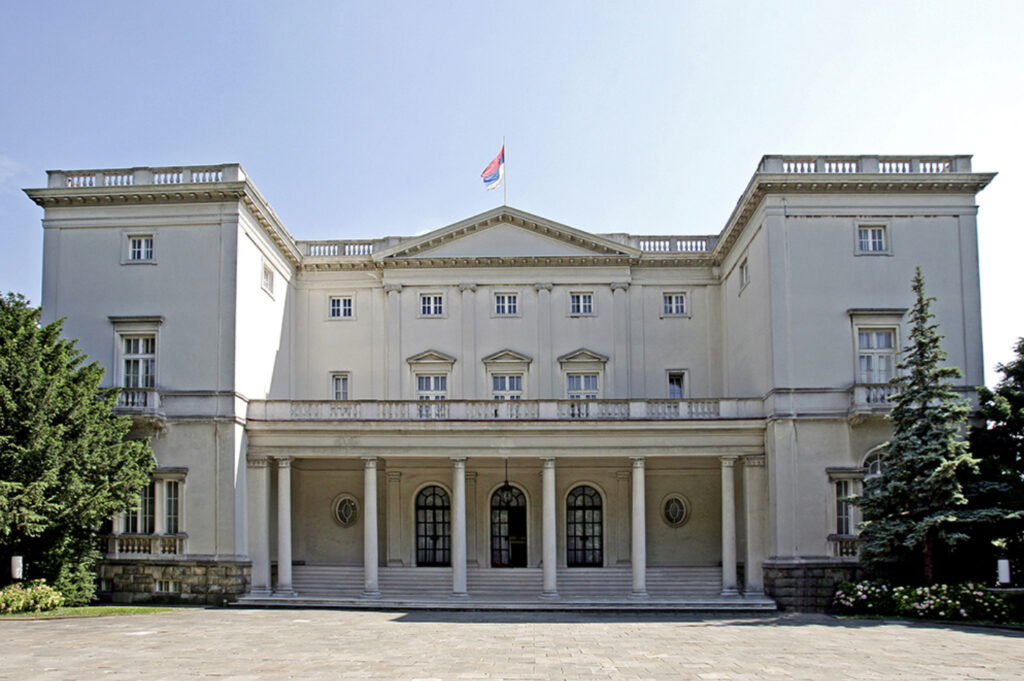
The White Palace, or Beli dvor, is the closest thing Serbia has to a true royal palace complex.
It’s located in Belgrade’s fanciest district, Dedinje. It was built in the first half of the 20th century for the Karađorđević dynasty.
The entire building is, well, white, thus the name. The palace holds many valuable paintings, including those by Eugène Fromentin, Simon Vouet, Nicolas Poussin, Rembrandt, Đuro Jakšić, Stevan Todorović, and Ivan Meštrović.
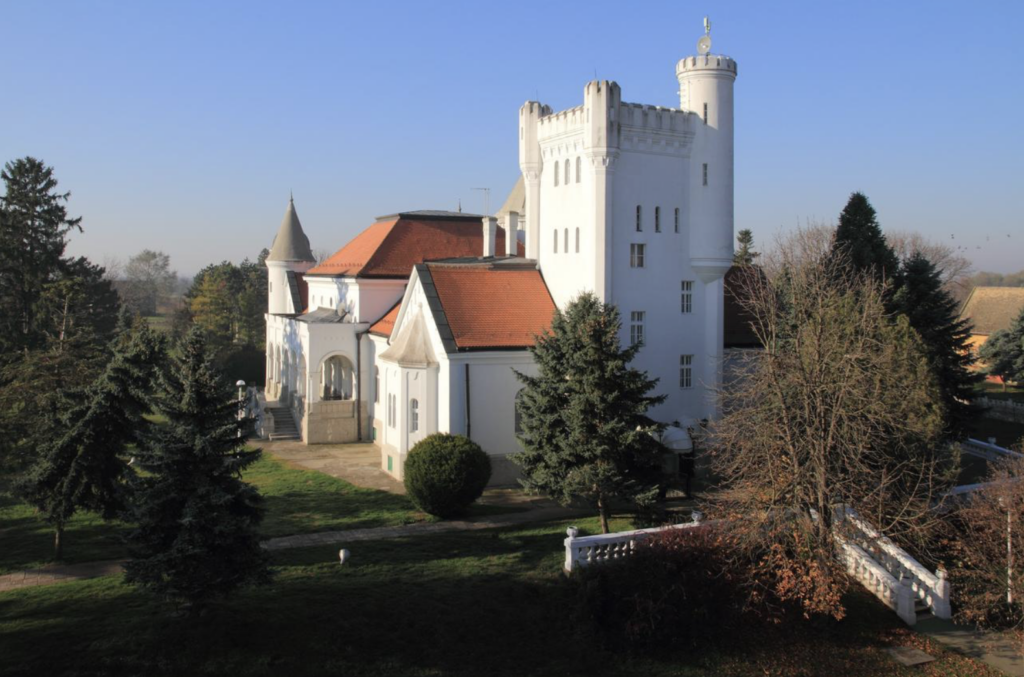
Fantast Castle (Kaštel Fantast) is Serbia’s closest thing to a real-life fairytale: turrets, park, horses… the full package. Built in the early 20th century by Bogdan Dunđerski, it even comes with whispers of secret tunnels and hidden rooms.
The legends don’t stop there: mysterious symbols, a chapel with eerie stories, and tales that Bogdan himself still “rides” through the estate at night (very ghost-core chic).
Now, let’s look at some useful words you can use during your sightseeing tours, because the best way to learn Serbian is by visiting its historic landmarks and scenic locations.
So, you’ve explored the towers, chased a few legends, and maybe even imagined yourself as the main character in your own medieval adventure. Now here’s the plot twist: it all gets even better when you actually understand the language behind the stories.
Ready to level up? Join our Serbian language course and start to learn Serbian online (no armour required).