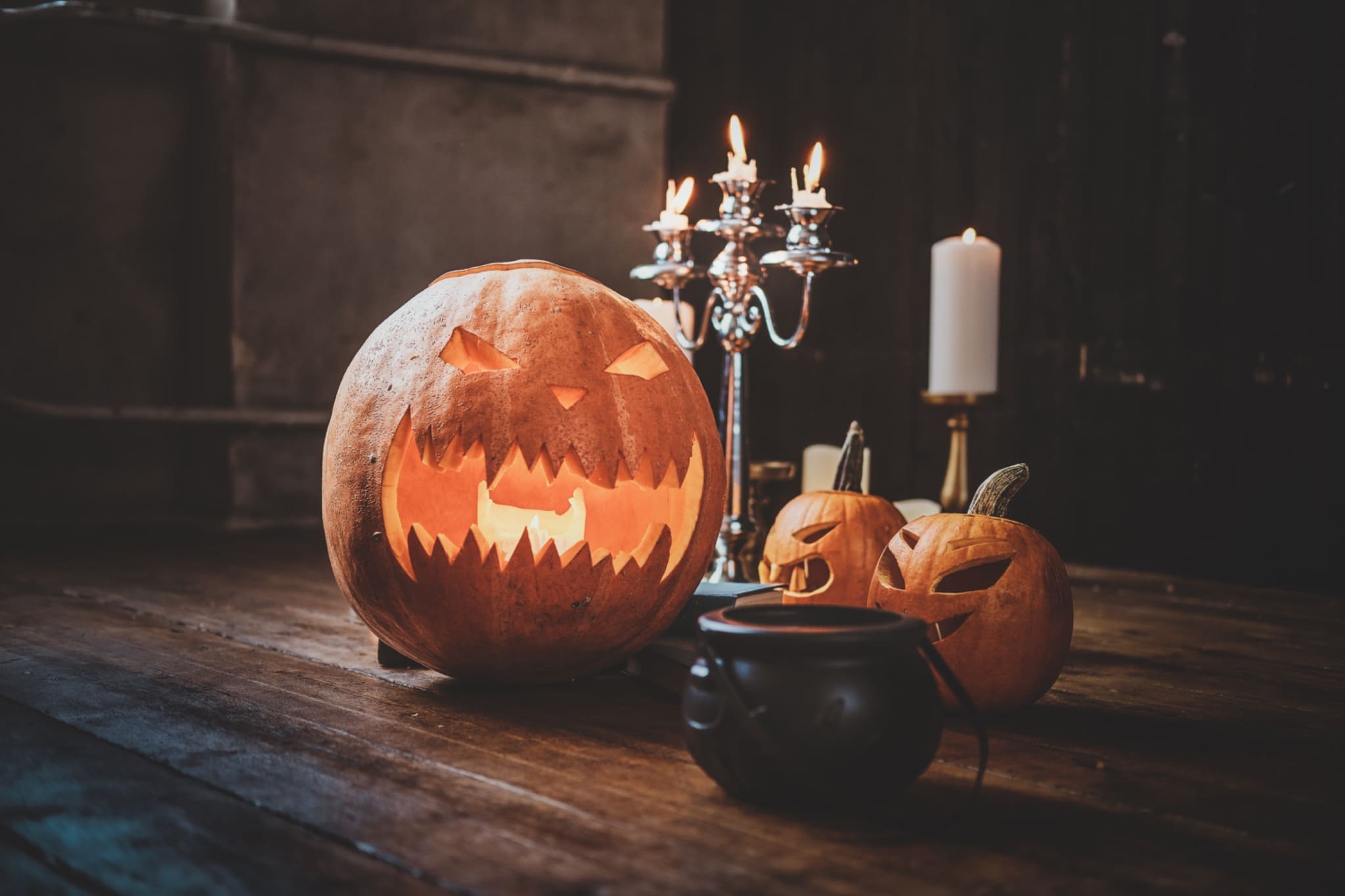
So, do we celebrate Halloween in Serbia? Well… sometimes. Halloween has crept into Serbian cities, clubs, and social media, but it’s still no match for Serbia’s own spooky traditions. After all, why import ghosts and vampires when you already have your own?
Serbian culture has witches, haunted watermills, supernatural legends, and one very famous vampire: Sava Savanović. Add a few Serbian horror movies, a dash of folklore, and a word that traveled the world – vampire – and you’ve got quite a story.
Welcome to Halloween in Serbia. It gets spooky from here. Don’t say we didn’t warn you.
So, is Halloween actually a thing in Serbia? The answer is: it depends.
Halloween, or Noć veštica, isn’t a traditional Serbian holiday. Unlike Slava, Christmas, or Easter, it doesn’t have deep roots in Serbian culture.
But over the past few decades, it has crept in through American movies, Western pop culture, social media, and globalization, and it has found a particularly enthusiastic audience among younger people.
In bigger cities, you may spot Halloween parties, costume events, themed nights at bars and clubs, and spooky decorations in shops.
For some young Serbs, October 31 is a perfectly good excuse to dress up, go out, and post a vampire selfie. For others, it’s just an ordinary day.
So there’s no simple answer to whether Serbian people celebrate Halloween. Some do. Some don’t.
However, you don’t have to learn Serbian for long before discovering that Serbia already has plenty of spooky material of its own.
For some people, October 31 has nothing to do with pumpkins, costumes, or candy. It’s Sveti Luka, or Saint Luke, one of the important dates in the Serbian Orthodox calendar.
Because the Serbian Orthodox Church follows the Julian calendar for many religious holidays, St. Luke’s feast day falls on October 31.
For families who celebrate Slava, their family’s patron saint, October 31 can mean candles, traditional food, family, and guests, not a night of dressing up as witches.
So, if you are invited to a Slava on October 31, maybe leave your vampire costume at home; you wouldn’t want sarma stuck in your fangs, now, would you?
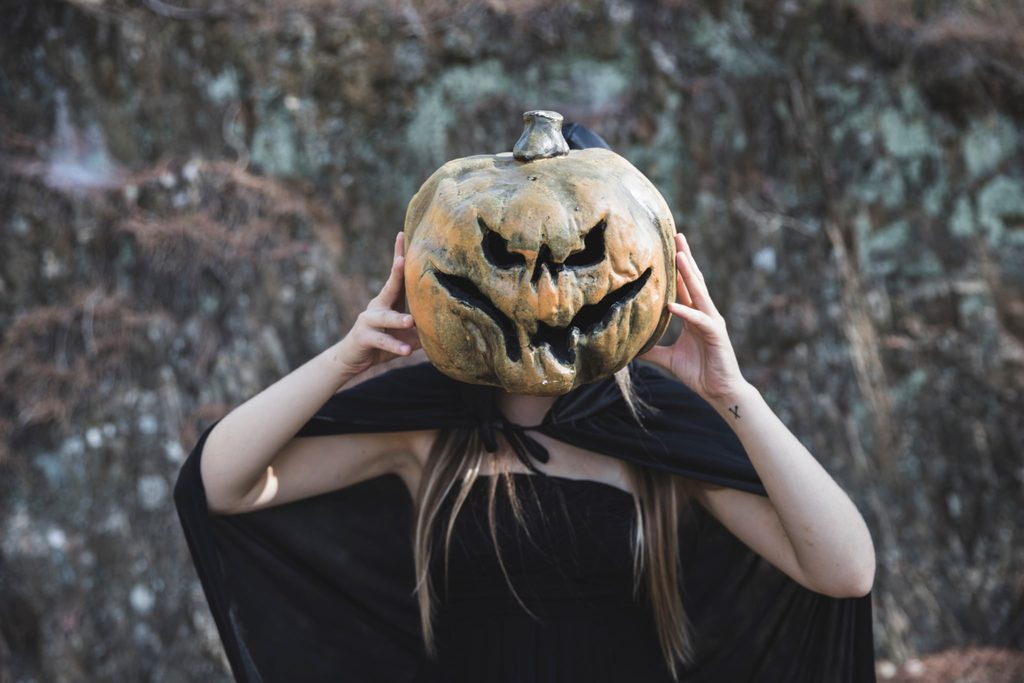
Serbian traditions include Poklade, customs associated with the period before a religious fast. Depending on the region and tradition, people may dress up in costumes, wear masks, visit homes, sing, share food, and take part in rituals connected to chasing away evil or supernatural forces.
Sound familiar? It has striking similarities to Halloween. But Poklade isn’t simply the Serbian version of Halloween.
The two traditions developed in different cultural and historical contexts, even if both involve costumes, spooky imagery, and plenty of food.
And for anyone trying to learn Serbian, this is a useful reminder: two traditions can look similar without meaning the same thing.
If Serbia had a vampire hall of fame, Sava Savanović would have a very good chance of making the top spot.
According to Serbian folklore, Sava was a vampire who haunted a watermill near the village of Zarožje, where he was said to attack millers who came to work after dark. Yes, a haunted watermill. Because apparently a dark forest wasn’t atmospheric enough.
The legend became famous through Milovan Glišić’s 1880 story Posle devedeset godina, and Sava later made his way onto the screen in the cult Serbian horror film Leptirica (1973).
But Sava isn’t just an old scary story. He remains one of the best-known figures in Serbian folklore, and a rather spectacular reminder that Serbian culture has been doing supernatural horror long before Netflix came along.
And then there’s the really fun part: Sava’s story is connected to a word that traveled much farther than he ever did: vampir.
And Sava Savanović wasn’t the only Serbian vampire making trouble after dark. Meet Petar Blagojević, a Serbian villager from Kisiljevo who died in 1725, and allegedly refused to stay dead.
After his death, nine people in the village reportedly died within eight days, with some claiming on their deathbeds that Blagojević had appeared to them at night and strangled them.
His body was eventually exhumed, and the villagers, convinced they were dealing with a vampire, drove a stake through his heart and burned the body.
What makes Petar particularly fascinating is that an Austrian official recorded the case, helping spread stories of Serbian vampires across Europe.
So before Count Dracula was brooding in his castle and Edward Cullen was sparkling in the Pacific Northwest, Petar Blagojević was already giving Europe vampire-related paperwork to deal with.
The Serbian word is vampir, and the English vampire is generally understood to have entered Western European languages through forms derived from the Serbian word in the early 18th century.
The exact ultimate origin of the word is still debated, but its journey from the Balkans into international vocabulary is well documented.
So, while Count Dracula gets all the capes, castles, and Hollywood attention, Serbia can reasonably say: Hey, at least we gave you the word.
If you prefer a spooky night at home, Serbian horror movies have plenty of nightmares to offer.
First up is Leptirica (The She-Butterfly, 1973), the essential Serbian vampire movie. Directed by Đorđe Kadijević, this made-for-TV folk-horror film is based on Milovan Glišić’s 1880 story Posle devedeset godina (After Ninety Years), the same story that gave Sava Savanović his literary afterlife.
Then there’s Sveto mesto (A Holy Place, 1990), another Kadijević horror film, this time inspired by Nikolai Gogol’s Viy. So Serbian horror isn’t limited to local vampires lurking around watermills; it also knows how to give international literary classics a suitably unsettling Serbian treatment.
And if vampires aren’t your thing, try Variola Vera (1982). Based on the real smallpox epidemic in Yugoslavia, it turns a medical crisis into genuinely chilling cinema. No supernatural creatures required.
However, if you’re expecting Twilight-style vampires who spend their evenings looking mysteriously beautiful in the forest, prepare for a cultural adjustment. Serbian vampires are less “sparkling immortal boyfriend” and more “maybe don’t go to that watermill after dark.”
Buffy would have had a very different time in Serbia.

Ready for your spooky Serbian survival kit? Here are a few words worth knowing before you venture into a dark forest, haunted watermill, or suspiciously quiet Serbian village.
| vampir | vampire |
| veštica | witch |
| duh | ghost/spirit |
| čudovište | monster |
| strah | fear |
| strašan | scary/frightening |
| Noć veštica | Halloween |
| mrak | darkness |
| uklet/ukleta | haunted |
| ukleta kuća | haunted house |
Now that you know your vampir from your veštica, it’s time to actually talk about Halloween.
Here are a few phrases you can use if October 31 finds you in Serbia:
Da li slaviš Noć veštica?
Do you celebrate Halloween?
U šta se maskiraš?
What are you dressing up as?
Idem na žurku za Noć veštica.
I’m going to a Halloween party.
Ne slavim Noć veštica.
I don’t celebrate Halloween.
Gledamo horor film.
We’re watching a horror movie.
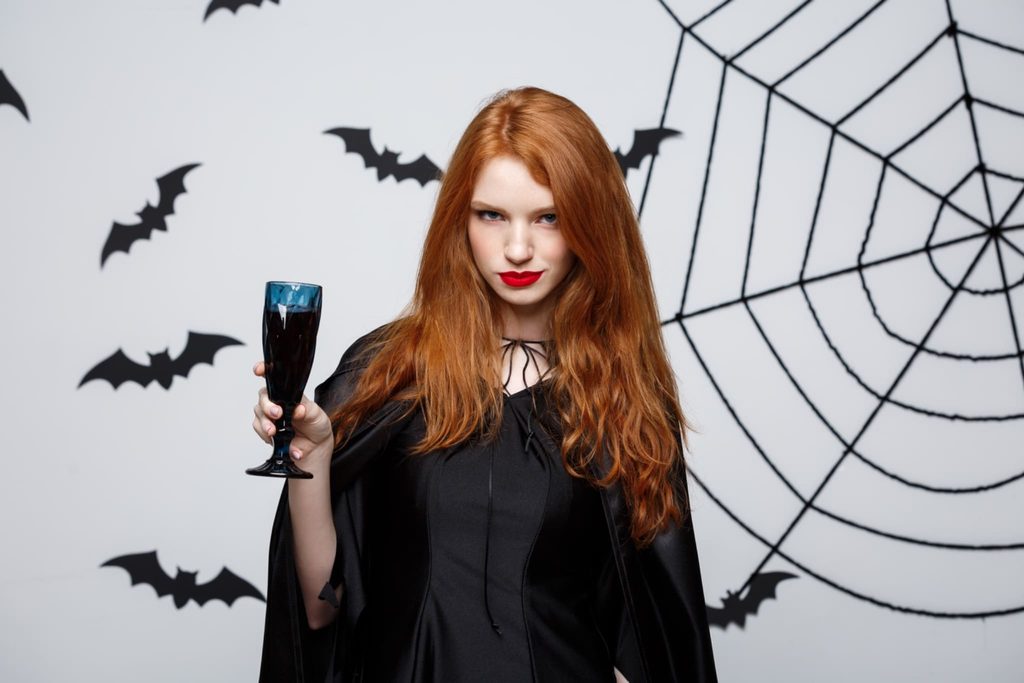
From Sveti Luka and Poklade to Sava Savanović and his haunted watermill, Serbian culture has no shortage of traditions, legends, and stories with a supernatural twist.
Add Serbian horror movies, vampire folklore, and a word that traveled from the Balkans into languages around the world, and Halloween in Serbia might end up being a lot more fun than you anticipated.
If you want to understand Serbian movies, chat with Serbian speakers, read Serbian stories, or simply stop relying on subtitles, Go Speak Serbian can help.
Join our online Serbian lessons and learn with a Serbian teacher through practical language, real conversations, and the culture behind the words, so next time someone mentions Halloween in Serbia, you’ll have the vocabulary (and the legends) to tell the whole story.