
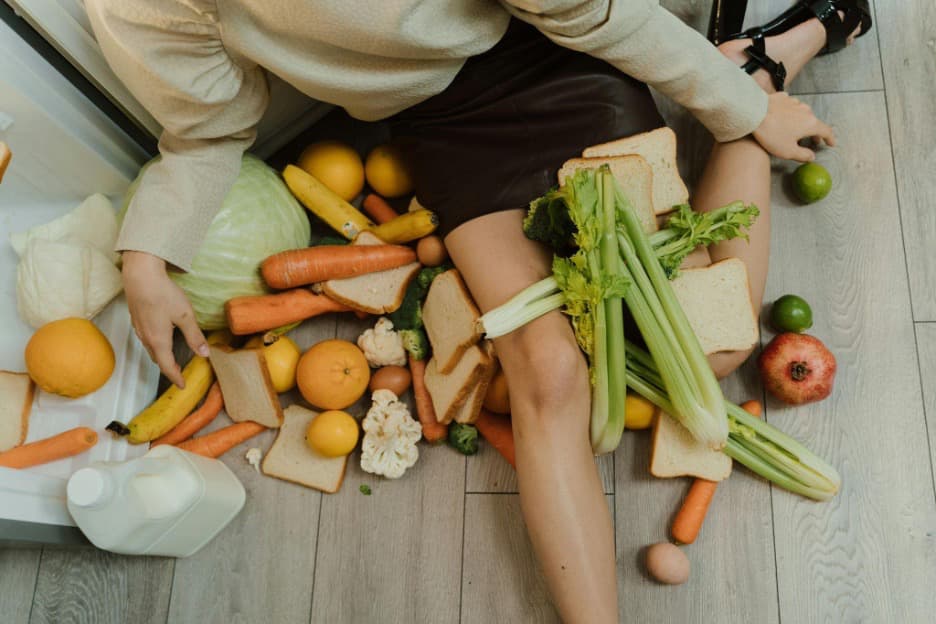
Serbian traditional cuisine is rich and comforting, as you’ll see (and taste) if you hit any local restaurant. But what lurks in an average household fridge? What are the Serbian staple foods and seasonal treats? In other words, what does an average local family eat throughout the year?
Plenty! So, crack open that fridge door and learn the Serbian food vocabulary.
Without a doubt, food plays a significant role in Serbian culture and social life. More than nourishing, meals have a way of connecting people, and asking someone Jesi li gladan? (Are you hungry?) is basically another way of saying I care about you. Plus, Serbian cuisine is incredible.
So, if you haven’t already, it’s high time you jumped on the food train and experienced the culture in the most delicious way possible — by eating it.
Speaking of staples, hleb (bread) is in a class of its own. We’re not talking about anything fancy — it’s the good old white bread you’ll find in any bakery or supermarket.
Seriously, Serbian people munch on it for breakfast, lunch, dinner, and for a quick snack.
And no wonder they do. Crispy on the outside, but so airy on the inside, Serbian bread is weirdly addictive for… well, bread.
Sure, other carbs exist — rice, pasta, potatoes — but nothing quite matches the simple perfection of a fresh loaf.

Behind those fridge doors, there’s usually a lot going on. Serbian fridges (frižider) tend to be well-stocked — you never know when unexpected guests might pop in. And honestly, opening a full fridge doesn’t just feed the stomach; it warms the heart, too.
Here are some of the staples you’ll find year-round:
With all those goodies inside, it doesn’t take much to throw together a quick meze (Serbian charcuterie board) that pairs perfectly with bread and a shot of rakija.
Every Serbian fridge has a few… surprises. Maybe it’s an old Nutella tub now brimming with pork fat (mast), or a plastic water bottle filled with rakija. Yogurt cups get reused for soup, jam jars are full of pickles, and sometimes you’ll open the fridge and wonder if you’ve stumbled into a recycling experiment.
So, when in Serbia, don’t trust packaging. What’s on the label doesn’t always match what’s inside — but whatever it is, someone will insist it’s domaće (homemade) and therefore better than anything you can buy.

Ručak od juče (yesterday’s lunch) is another fridge favourite. The name might not sound tempting, but trust us — some meals only get better overnight. Stuffed peppers, bean stews, gulaš… they practically ask to be eaten again (and again).
All you need is some bread, maybe a salad, and you’re golden.
Not everything lives in the fridge. Naturally, Serbian kitchens always have a few pantry essentials:
Life isn’t all salty cheeses and smoked meats. The Serbian sweet tooth is real:
Serbian fridges aren’t just about staples — they also follow the rhythm of the year. At the pijaca (green market), what’s piled high on the stalls is exactly what you’ll see on the family table.
In spring, it’s all about zelena salata (lettuce), rotkvice (radishes), and mladi luk (spring onions) — crisp, refreshing, and the perfect break from winter heaviness.
Summer, on the other hand, is ruled by paradajz (tomatoes) and krastavci (cucumbers), usually tossed into a simple salad, with lubenica (watermelon) waiting in the fridge for dessert.
Come autumn, the whole country seems to smell like roasted peppers — it’s ajvar season. Alongside it, markets brim with bundeva (pumpkins), jabuke (apples), and grožđe (grapes).
Then winter sets in, and it’s time for kiseli kupus (sauerkraut), krompir (potatoes), and rows of zimnica — jars of preserves that bring back a taste of warmer days.

Did all this talk about Serbian staple foods inspire you to stock up on some tasty bites? If you happen to be in the country, you can just visit a supermarket and have a feast. Otherwise, you’ll need to be a tad more creative and see what’s available in your neck of the woods.
Wherever you are, though, you can work on your Serbian skills — for free. Sign up for our newsletter now, and you’ll find our carefully prepared worksheets and exercises in your inbox twice a month. Prijatno!